
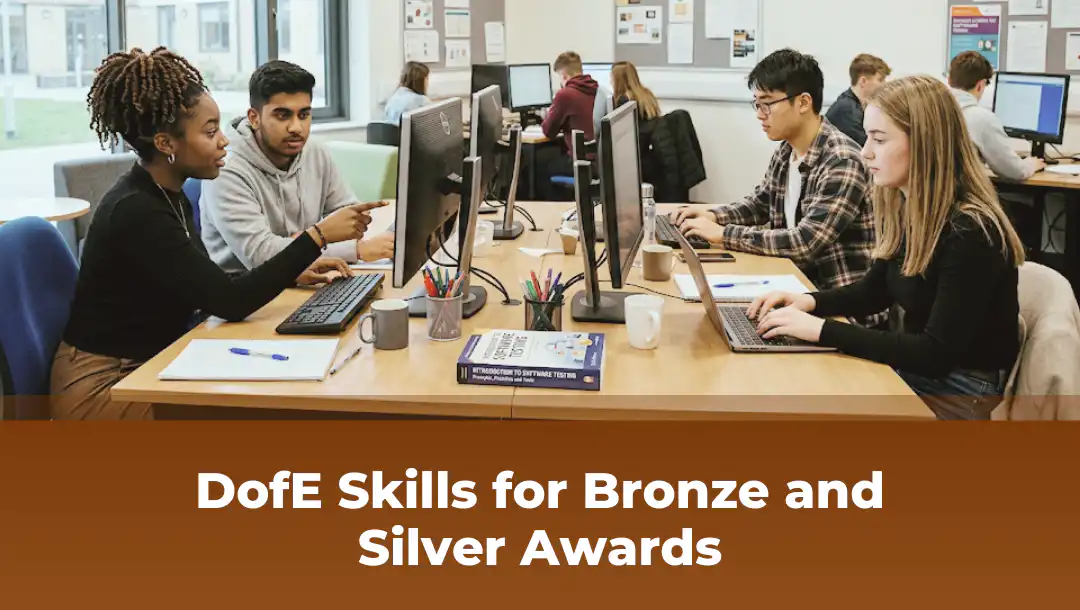
Most DofE skills lists look the same. Music, art, cooking, sport. For students who want something tech-related, the default suggestion is coding - and for a lot of them, that's where the search ends. The barrier feels high, the terminology is unfamiliar, and they can't see themselves sitting down to learn Python. This happens a lot. And it means a significant number of students - particularly girls and students from non-traditional computing backgrounds rule themselves out of a tech pathway before they've understood what the tech industry actually contains. Software testing is not coding. It's a distinct professional discipline within the software industry, focused on exploring, experimenting and investigating software, getting to know the product well enough to find where it breaks and whether it does what it's supposed to do. It's analytical, detail-oriented, and in consistent demand from employers. Most students, and many parents and teachers, have never heard of it as a career. Onion Training is an Approved Activity Provider for the Duke of Edinburgh's Award, offering a Software Testing course that counts toward the Bronze and Silver Skills sections.
The Coding Problem
A lot of students want a route into tech but feel shut out by programming. The tech industry isn't only developers. It employs testers, QA analysts, product managers, Scrum Masters, business analysts and dozens of other roles that require technical thinking but not the ability to write code. Software testing sits in this space. It relies on logical reasoning, attention to detail, clear written communication and the ability to think about how things can go wrong - skills that many students already have. No coding experience is needed to start, or to build a career in IT. This makes it a genuine entry point for students who want to work in tech but haven't found their way in yet.
Girls in Tech
The data on gender in computing is well documented. Girls are underrepresented in computer science at A-Level and significantly underrepresented in the tech workforce. Part of what drives this is how computing tends to be framed: as programming, as building things, as a discipline that rewards a particular type of student.  Framing tech through quality, user impact and problem-solving shifts that. Software testing asks: does this work the way a real person would expect it to? Is this clear? Is this safe? Those questions draw on different strengths and tend to resonate with a broader group of students.
DofE Skills - Is This the Right Fit?
This works well for students who are curious about how software is built and where it goes wrong, who want a tech-related skill without the prerequisite of coding knowledge, and who are comfortable working independently through online material at their own pace. It also works well for computer science students who want practical context alongside their A-Level theory. It's open to any student interested in computing, digital skills, or broader tech pathways. A student doesn't need to be set on a software testing career to benefit from it.
What the Course Covers
The course goes well beyond the ISTQB Foundation syllabus - the internationally recognised certification in software testing. Most courses that reference ISTQB stop there. This one uses it as a floor, not a ceiling, adding practical exercises, quizzes and real-world context. It's built for students aged 16 and above with no prior experience. Over 200 lessons across 12 modules cover the full testing cycle: how software is developed, where testing fits into that process, the core techniques testers use, and how to write and document test artefacts professionally. The course is entirely online and self-paced. Students log in and work through it on their own schedule, from any browser. Enrolled students get lifetime access to all current and future material at no extra cost - so any new content added to the course is included automatically. 
Where This Can Lead
Software testing is an entry point. Students who complete the course and go on to work in the field can move into roles including:
- Junior Software Tester or QA Analyst - the typical starting point
- Performance Testing or Security Testing - more specialist technical routes
- Automation Engineering - writing code to run tests at scale (this is where coding comes in, for those who want it)
- Test Manager or Head of QA - leadership roles overseeing quality across a product or organisation
- Scrum Master or Product Owner - because understanding the full development cycle makes testers well-placed to move into delivery roles
Students completing the course will also have the foundation needed to sit the ISTQB Certified Tester Foundation Level exam, a widely recognised industry certification, if they choose to pursue it. For students exploring apprenticeships, having a working knowledge of the software development life cycle and test and defect management makes them a stronger candidate for Level 3 and 4 Software Testing apprenticeships than theory-only applicants.
DofE Skills Evidence and Sign-Off
Students accumulate logged learning hours as they work through the course. The practical project work serves as physical evidence of the Skills activity. On completion, Onion Training provides the assessor report needed to finalise the DofE award along with a completion certificate. Schools coordinating DofE registration have access to a progress dashboard, so the DofE coordinator can see who's active, who's finished, and who might need a nudge - without needing to supervise the course live or have any specialist knowledge of software testing. The course can run during enrichment blocks, study periods, or independently at home. It doesn't require a computing specialist to oversee it.
How to Get Started
- Check with your DofE coordinator that you want to use Onion Training for your Skills section.
- Enrol at onion.training to get access to the full course.
- Work through the modules and log your hours as you go.
What It Looks Like on a Personal Statement
Completing a structured software testing course gives students something specific to reference in university applications. It's a technical qualification in an area most applicants won't have, and it demonstrates the kind of systematic, analytical thinking that computer science, business and STEM courses look for. It's also useful for students who aren't heading to university. The same course, the same certificate, the same understanding of how professional software teams work - that's directly applicable to an apprenticeship or entry-level tech role.
Frequently Asked Questions
Q1: Does software testing count for DofE skills? Yes. Onion Training is an Approved Activity Provider, so the course counts toward the Bronze and Silver DofE Skills sections.
Q2: Do students need any coding experience? No. Software testing is a separate discipline from software development. The course covers testing techniques, not programming languages.
Q3; How long does the course take? The course is approximately 26 hours of learning. Students work through it at their own pace, which makes it straightforward to fit around school timetables and exam commitments.
Q4: Is this only for students doing DofE Skills? No. Any student interested in a career in software, computing, or digital can take the course. DofE participation is optional.
Q5: Is it suitable for girls or students who've been put off by coding? Yes. The course doesn't require coding ability, and the focus on analytical thinking, communication, and user impact makes it accessible to a wider range of students than traditional computing courses.
Q6: What career paths does it lead to? The immediate route is junior software tester or QA analyst. From there, students can move into performance testing, security testing, automation engineering, test management, or Agile delivery roles. It's a broader field than most people expect.
Q7: Can schools purchase the course for a cohort? Yes. Volume pricing is available for cohorts. Contact us at onion.training for details.
Q8: Does a member of staff need to supervise the course for DofE skills? No specialist knowledge is needed. Progress is visible on the staff dashboard, so a coordinator can monitor activity without delivering any teaching themselves.
Related articles
Breaking Into Tech: Software Testing for Students