

Why Software Testers Matter
Picture using an app for tracking your fitness levels. You notice the app crashes when you click a button too fast, or the pages don’t load properly. That’s where software testers come in.
As software testers, we play a unique role in a project team. While developers write code, designers focus on visuals, and product managers set direction, we take on a different challenge: protecting quality. Our job is not just to check if the software “works.” It’s to explore, question and push the product in ways others might overlook.
Our responsibility as testers is to make sure the software meets expectations across function, performance, security and usability. This means running experiments, spotting risks and asking the questions no one else is asking. Unlike others who apply critical thinking from time to time, software testers are trained to do it every step of the way. We poke at assumptions, dig into odd behaviours and report back with clear evidence.
If you’re a student thinking about a tech career, this blog is for you. I’ll walk you through what software testers do, how we team up with others, industries that need our skills and how you can grow into exciting roles like Scrum Master or Test Architect. Let’s get started and see why it’s a great fit for students like you!
Why Software Testing Is A Great Step into Tech for Students
I believe testing is one of the best ways for students to break into tech. Companies need us to keep their software reliable, which means there are tons of job opportunities. Starting salaries range from £25,000 to £35,000 a year and with experience, you can earn up to £70,000 or more in senior roles. Testing offers flexibility; the great thing is you don’t even need a computer science degree to start. You can begin with basic skills and learn on the job, which is perfect for students who are still exploring career paths. Whether you love digging into technical details or prefer working with people, testing has a place for everyone.
The demand for software testers is growing because software is everywhere, in everything we use - think apps, websites, gaming, medical devices, cars, the list is endless.
Industries That Need Specialist Software Testers
Some industries need software testers with specific skills. These fields rely on our testing to make a big impact:
1. Finance: testing all transactions process without errors and protecting user data from breaches.
2. Healthcare: check medical apps, like patient record systems or diagnostic tools, to ensure they’re reliable.
3. Gaming: test games to make them fun and smooth on phones, consoles, or PCs and performance to prevent crashes during a big moment, like a boss fight.
4. Automotive: check car software, like navigation or self-driving systems, to keep drivers safe.
5. Cybersecurity: test apps for security gaps to stop hackers; simulate attacks to find weaknesses.
What Do We Do as Software Testers?
As software testers, we check if software is fit for purpose; it works the way it’s supposed to. We test features to ensure they function correctly, check speed to make sure the app loads quickly, verify security to protect user data and confirm the app is easy to use, amongst many other things.
We work across different stages: planning with the team, coding with developers, testing in a safe environment and launching the final product. We often use setups like Agile, where we work in short sprints, or DevOps, where we focus on fast delivery.
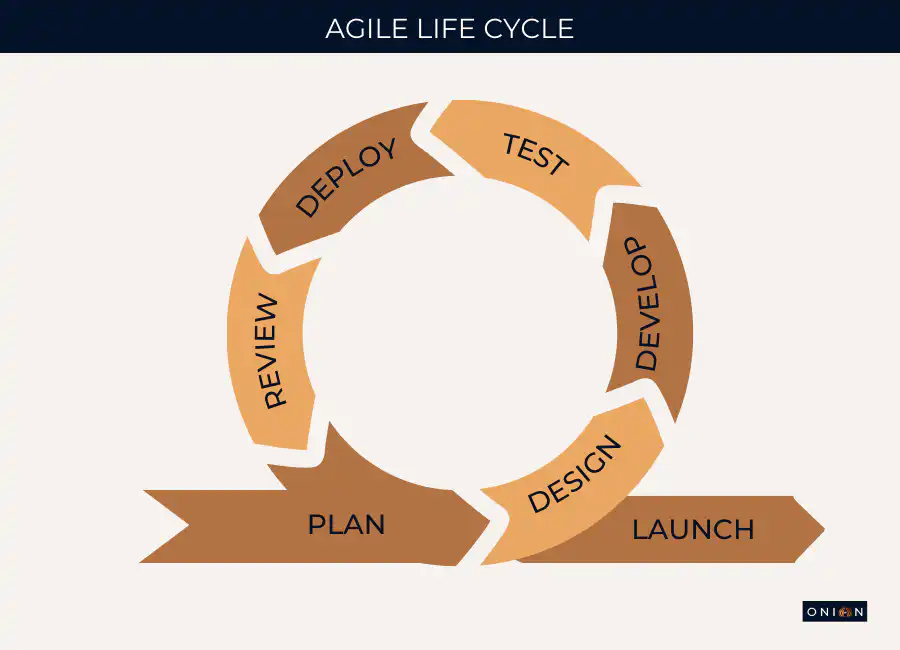
Testing is about identifying problems and working with the team to fix them. It’s a role that builds technical and teamwork skills.
Working With the Team
A tester never works in isolation. Our impact comes from how well we connect with others. Let’s look at how we build those connections.
- With developers: We share evidence when something breaks and work side by side to trace the root cause. Instead of saying “it doesn’t work,” we explain the exact steps, show logs or screenshots/video and help narrow down the problem.
- With product managers: We confirm whether features actually match the vision. If a requirement says one thing but the software does another, the tester is often the first to raise it. This keeps the product aligned with business goals and user expectations.
- With designers: We check that what was drawn on paper behaves the same on screen. If a layout breaks on a small device, we notice and ask if the design covered that case.
- With business analysts: We spot vague requirements and dig for clarity. We ask, “What happens if a user does X?” so that gaps can be closed off before release.
- With stakeholders and end users: We listen closely to feedback during demos or user testing. We translate real-world experiences back to the team with data to support it.
- With DevOps and deployment teams: We make sure builds work smoothly across all environments. If the API works on one server but fails on another, we flag it early to avoid a broken release.
Through these relationships, we act as a bridge across the team, making sure everyone is aligned on what “quality” means.
What Software Testers Bring to the Table
A tester’s value isn’t just in catching bugs. It’s in the range of contributions we make during a project.
- We assure quality by experimenting with the product under different conditions, not just following a script.
- We identify risks by asking, “What happens if this fails?”
- We document findings with clear steps and evidence so others can act.
- We close the feedback loop by reporting usability quirks or performance issues in plain language.
- And most importantly, we advocate for the user, keeping the product grounded in real-world needs.
This constant attention to detail saves time, money and reputation. Fewer surprises surface late in the process because we catch them early.
The Questions That Drive Testing
A tester’s main tool isn’t code or automation; it’s questions. The right question can uncover an issue no one thought about. Here are some examples:
• “What’s the expected behaviour for this feature?”
• “Are there edge cases or exceptions we haven’t documented?”
• “What’s the priority of this feature if something fails?”
• “Does this behaviour hold up under unusual conditions?”
• “What assumptions are we making that I should test?”
• “What’s in scope for this sprint or release?”
• “Are there dependencies (e.g., APIs, databases) I need to test?”
• “Which features have changed since the last build?”
• “Have we explored how this feature interacts with the broader system?”
• “What’s the evidence that this change won’t break something else?”
• “Which areas are critical and need thorough testing?”
• “Are there features we can test lightly due to time constraints?”
• “What’s the riskiest part of this release?”
• “What’s the risk if this fails - have we tested it enough?”
• “Are we overlooking a critical area due to time pressure?”
• “Is the test environment stable and up-to-date?”
• “Are there differences between staging and production I should account for?”
• “Could this difference between staging and production cause issues?”
• “Do I have access to the latest build?”
• “What happens if the network drops - did we test that?”
• “How will users interact with this feature in the real world?”
• “What’s the impact if this fails in production?”
• “Are there specific user scenarios we should simulate?”
• “Does this match how users will actually behave?”
• “What’s the evidence behind this design decision?”
• “Can I pair with a developer to walk through this feature?”
• “Can we experiment together to verify this fix?”
• “Who should I notify if I find a blocking issue?”
• “Are there logs or tools I can use to dig deeper?”
Why Ask These Questions? They reflect a software tester’s duty to explore, experiment and report truth, not just check boxes. We are here to clarify ambiguity, reduce assumptions and ensure testing aligns with project goals. By asking questions like these, we move the team from assumptions to evidence. This shift makes the product stronger.
Challenging the Team Without Friction
Part of a tester’s role is to challenge, but a challenge done badly can cause conflict. The best software testers raise concerns with evidence, not opinions. We frame questions as collaboration rather than confrontation.
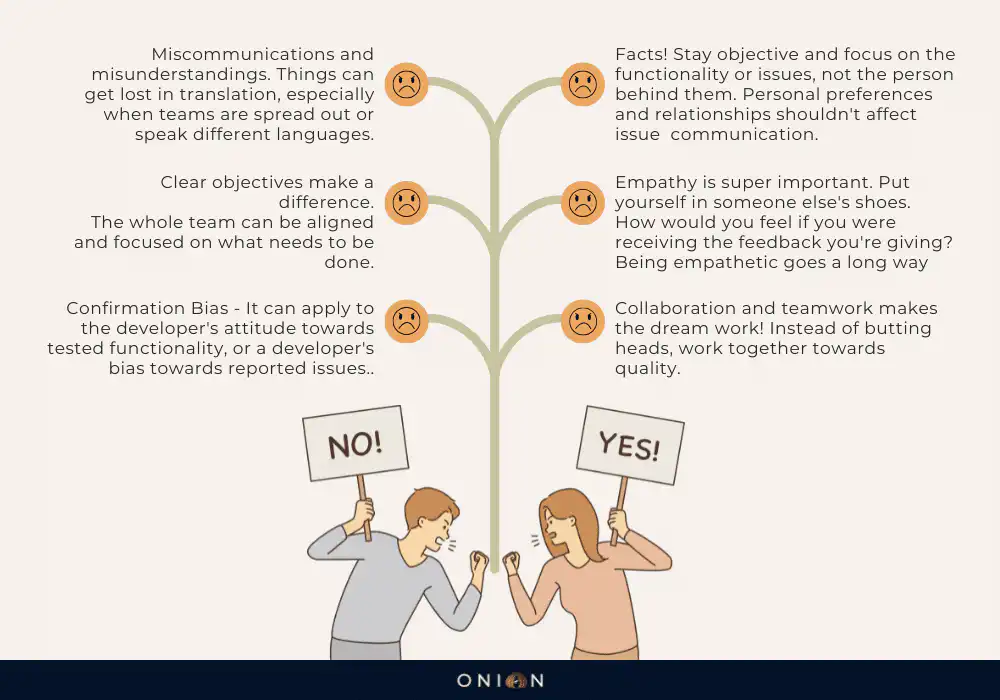
Instead of saying, “This requirement is vague,” we might ask, “When we say the user gets notified, does that mean email, SMS, or in-app?” Instead of saying, “This feature isn’t ready,” we might suggest, “If we test this API now, we can find issues before the UI is built.”
The goal is always the same: push the team to think deeper while keeping trust strong.
Where Can I Go with Testing
Testing is just the beginning of an exciting career. You can grow into bigger roles or switch paths. Here are some options:
- Senior Tester/Lead: You lead complex projects and mentor junior testers.
- Test Architect: Design testing plans and select tools. You’d need strong technical skills and tool knowledge.
- Scrum Master: Manage agile teams using your teamwork skills. Gain a Scrum certification, like PSM I.
- Test Governance: Set testing standards for quality. Experience in process management is key.
- Cybersecurity: Check apps for security risks, protecting users from threats.
- Penetration Tester: Find hackable flaws with certifications like CEH (Certified Ethical Hacker).
- Product Manager: Shape apps with your user knowledge. Communication and user focus from testing help here.
- Business Analyst: Connect technical and business needs with your testing experience.
Each path builds on your testing skills, offering new challenges and higher pay, making testing a great starting point for students.
Skills That Help Software Testers Thrive
To succeed in a project team, software testers need a balance of technical skill and people skills.
You need to understand the big picture; what the project is aiming for and why it matters. You need adaptability because priorities shift and the scope changes. Communication is key: software testers must explain problems clearly, without blame, so others can act fast.
Above all, curiosity is the key. Asking “why” and “how,” you keep uncovering risks and insights that others might miss.
Final Thoughts
A tester is the critical thinker of a project team. We explore the product, push it to its limits and report honestly on what we find. We work closely with others, contribute beyond bug reports and ask questions that strengthen the product.
While others may test their work occasionally, we software testers live in that space every day. We protect quality not by guessing but by experimenting, questioning and sharing clear evidence. In doing so, we raise the bar for both the software and the team.
Related articles
