
Software testing for students is a direct path into tech. It is practical, accessible and in demand. Testers find bugs before they reach and frustrate users. They make sure software runs well, stays secure and meets real needs. If you want a career that blends problem-solving with growth potential, then software testing is a strong choice.
What Is Software Testing?
Software testing is the process of checking software for bugs and errors. Testers run tests, report issues and work with developers to fix them. This ensures the product works correctly, performs smoothly and delivers a reliable experience for all users.
There are two main approaches:
- Manual test method: a human tester checks features step by step, looking for problems.
- Automated test method: uses tools and scripts to run checks quickly, which is especially useful for large projects.
In both cases, testers focus on:
- Functionality - Does it work as expected?
- Performance - Is it fast enough?
- Security - Is it safe from attacks?
The role of a software tester requires curiosity, careful observation and clear communication with teams and stakeholders.
Why Choose Software Testing as a Career?
Students looking for a clear path into technology will find software testing an excellent option. It offers steady demand because almost every company relies on some form of software.
Testing is rewarding because it combines problem-solving with real impact. Testers find issues before they reach customers, which means they protect both users and the company's reputation. As skills grow, students can move into various roles.
- Job demand: Businesses always need quality software.
- Good pay: Entry-level salaries start near £25,000. With experience, testers earn £50,000 and more.
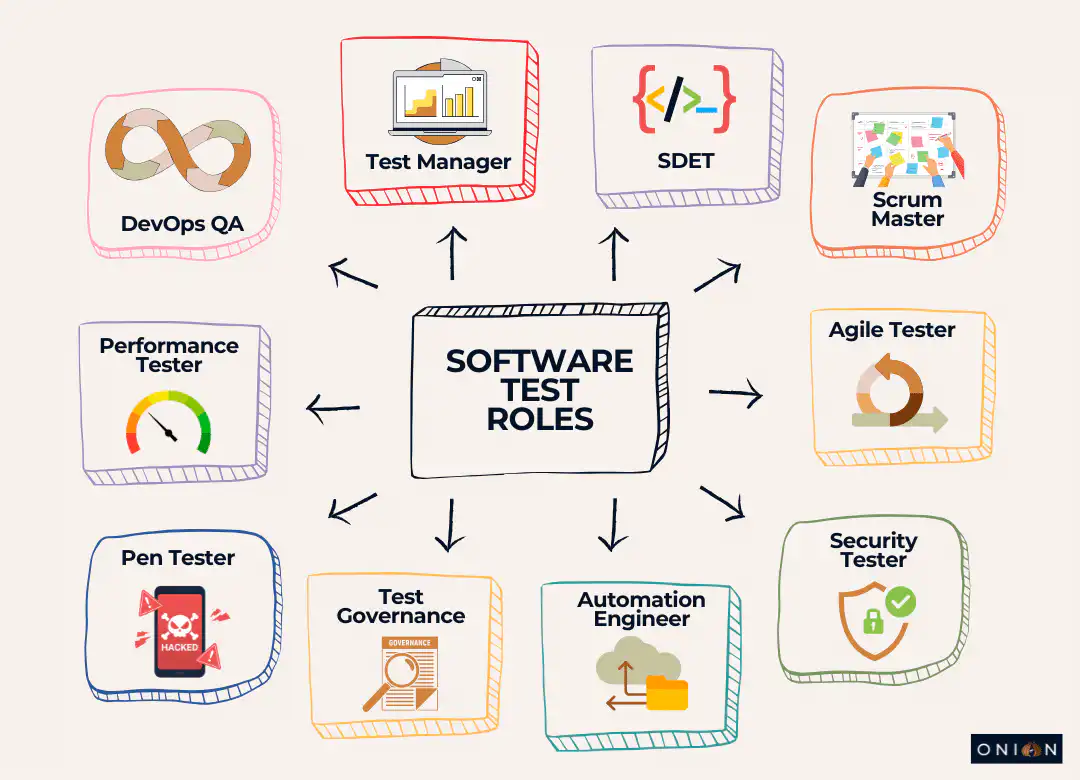
- Growth options: Testers can become automation engineers, test leads/managers, or specialists in cybersecurity, performance, or mobile apps and more.
10 Common Questions About Software Testing for Students
1. Do I Need a Degree?
A computer science degree can give a strong foundation, but it is not a requirement. Many testers begin without formal qualifications and build their skills through online learning and on the job.
2. Can I Start Without a Technical Background?
Yes, of course you can. Many people enter testing from non-technical fields. The key is to start small and build knowledge step by step. Reading beginner-friendly books, doing courses, attending free webinars and practising on sample apps can give you the confidence to apply for junior testing roles.
3. What Skills Are Important?
Software testing requires both technical and soft skills. On the technical side, students should learn to use tools, write simple scripts and design test cases. On the personal side, qualities such as problem-solving, attention to detail, and the ability to explain issues clearly to developers make a tester effective.
4. Which Certifications Are Useful?
Certifications prove your knowledge to employers, but are not mandatory. The most recognised is the ISTQB Foundation Level, which covers essential testing principles. More advanced testers sometimes complete the CSTE certification.
5. How Can I Get Experience?
Experience is one of the best ways to stand out. Internships allow students to work on real projects and understand how testing fits into development. Contributing to open-source projects on GitHub is another great option, as you can practise testing features and reporting bugs. Even freelance platforms like Upwork offer short testing projects that help you build a portfolio.
6. Is Software Testing a Good Career Choice?
Yes, software testing is a strong career choice. Testers work in almost every sector, from finance to healthcare to gaming. The work is varied and includes both manual investigation and the use of automation tools. Although some tasks can feel repetitive, the constant evolution of technology means testers keep learning and stay challenged.
7. What Roles Exist in Testing?
There are several career paths within software testing. Specialists focus on areas such as mobile apps, performance, or security. Most students begin as junior testers and move into specialised or leadership positions with experience.
8. What Is the Difference Between Manual and Automated Test Methods?
Manual test execution relies on human input and is useful for new features or complex user journeys. Automated test execution uses automated scripts to carry out checks at speed, making it ideal for repeated or large-scale testing. In practice, both approaches work together to ensure quality software.
9. What Tools Should I Learn?
Students who want to stand out should learn key tools. Selenium is widely used for automation; JIRA is popular for bug tracking and test management, and Appium is important for mobile testing. Programming skills in Python or Java will also help with writing automation scripts.
10. What Salary Can I Expect?
Entry-level software testers usually earn around £25,000. With experience, pay can rise to £50,000 and even higher for specialists or test leads. Pay often depends on location and company size, with larger cities offering higher salaries.
Steps to Build a Software Testing Career
The first step is to adopt a testing mindset. Get used to questioning how apps behave and practise spotting issues in the tools you use every day. Writing down observations such as crashes, glitches, odd behaviour, or slow responses will help you think like a tester.
Next, focus on gaining practical experience. Internships, open-source projects and freelance work give you the chance to apply what you learn. Employers value a portfolio that shows you have tested real projects.
Certifications are another step worth taking. ISTQB is the most common, but short online courses with certificates also add credibility to your CV. Combined with hands-on experience, these qualifications show commitment.
Networking is also key. Joining LinkedIn groups, online forums, or local meetups introduces you to professionals who can share advice and job leads. Continuous learning is equally important. Reading blogs and exploring new tools will keep your skills current.
Finally, prepare to apply for entry-level roles. Tailor your CV to highlight projects, certifications and problem-solving skills. Show that you are motivated to grow in a testing career.
Steps to Software Testing for Students:
- Think like a tester
Always ask: “What could go wrong here?” Test everyday apps and note issues. This builds your mindset. - Get hands-on experience
Intern, volunteer, or contribute to open-source projects. Employers like proof of practical skills. - Earn certifications
Take courses with certificates. ISTQB is widely recognised. Add small projects to show applied knowledge. - Build your network
Join forums, LinkedIn groups and local tech meetups. Networking helps you find jobs and mentors. - Keep learning
Technology changes fast. Follow blogs and online communities to stay current. - Learn technical tools
Practice with Selenium, JIRA and Appium. Write small test scripts in Python or Java. - Apply for entry-level jobs
Use sites like Indeed and LinkedIn. Highlight certifications, projects and problem-solving skills in your CV.
Challenges and Rewards
Like any job, software testing has its challenges. Repeated checks can feel boring, and deadlines can create pressure. However, the work is also rewarding. Testers solve challenges, protect users and directly improve the quality of products. They enjoy steady career growth and see clear results from their efforts.
The Future of Software Testing for Students
The future of software testing combines automation and manual methods. Automated tools and AI will handle more repetitive work, but manual testing methods will remain essential for new features and unique scenarios. Students who learn both will be well prepared.
Specialist areas such as cloud testing, security testing and AI testing are also expanding. Building expertise in these fields can lead to higher salaries and strong job security.
Key Takeaways: Software Testing for Students
Software testing for students is one of the most accessible entry points into technology.
- Start without a tech degree if you are willing to study.
- Gain experience through internships and open-source projects.
- Learn tools like Selenium, JIRA and Appium.
- Earn certifications such as ISTQB.
- Build soft skills like clear communication (verbal and written).
- Keep learning to stay updated.
- Network to open career opportunities.
- Specialise in growing areas like automation or security.
Related articles
5 Benefits Why Beginners Should Contribute to Open-Source Testing Projects
16 Undeniable Reasons Why AI in Software Testing Cannot and Will Not Replace Software Testers